
Drive Safely with Expert’s Winter Driving Tips

Winter Driving Tips
Learn how to drive safely in winter with these winter driving tips from our experts.
You should know that winter driving differs significantly from dry summer roads. Even if there are more fatal road accidents during summer months, winter driving is challenging, and you need to be prepared.
Check Your Vehicle
You may be in real trouble if your car breaks down in the middle of nowhere in cold, icy, or snowy winter weather. That is why you should make sure your vehicle is in good condition. Visit your garage or dealer for a tune-up and routine maintenance before the first snow. Change tires, if necessary.

Before You Drive Off in Winter
Check weather reports before you take off. You don’t want to be on the road if there is a blizzard or if roads are covered with black ice. Wait until road and weather conditions improve.
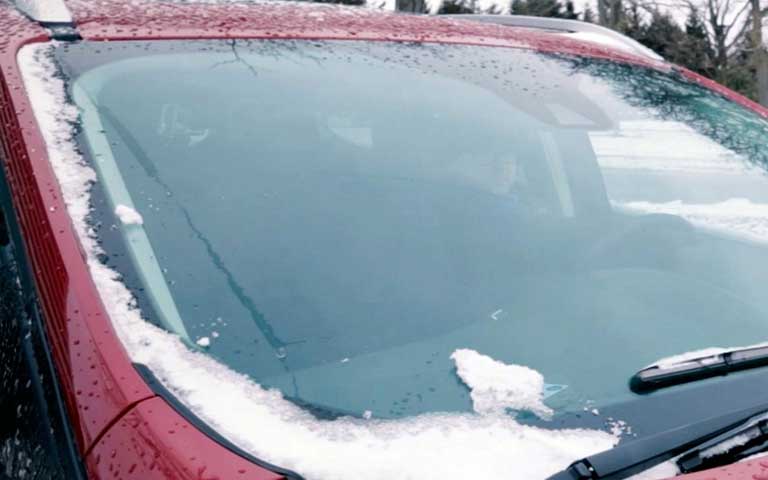
If there is snow or ice on your car, clean it before you drive off. Snow on your roof can fall off onto your windscreen while driving or fly into the path of another vehicle. Get rid of all snow and ice from windows, headlights, brake lights, backup cameras, and other sensors around the car.
Check your gas tank. In winter, you should keep it close to full, even when you drive a hybrid-electric vehicle. You need fuel to stay warm if you get stuck somewhere because of weather, traffic, or accidents.
Stay Alert on the Road
Winter driving means you must be especially alert when roads are slick, or visibility is limited. Shift your focus and scan ahead to the sides and the rear, and look for trouble spots on and by the side of the road. Please pay special attention to bridges and overpasses in winter since they freeze first and dry out last.
Dark asphalt roads can hide a thin layer of black ice produced by melting and re-freezing. This dangerous surface can cause you to lose control of your vehicle if you are unaware of the danger.
On long trips, plan enough time to stop and get a break at least every two hours.
Keep Headlights on Low Beam
It is a good idea to keep headlights on low beam during the day, and it makes it easier for others to see you.
Always turn on your low beams when you encounter fog, heavy snowfall, or rainfall. If you use high beams, the light from your headlights will reflect into your eyes and cause glare, and you will see less with high beams than you will with your low beams.
Avoid Dangerous Driving Behaviors
Do not text or engage in any other distracting activities while you drive.
Obey all posted speed limits, but remember to drive even slower when conditions require it.
Don’t drive if you have been drinking alcohol. Many drugs taken for common colds may also impair your driving. Remember to read labels and check with your doctor if needed.
Emergency Advice
If your car stalls in a winter storm or you get stuck on the road, stay with your car. Call for help. Put bright markers on the antenna or windows. Keep the interior light turned on if visibility is limited.
Be especially aware of carbon monoxide poisoning. Don’t run your engine for long periods; run it just long enough to stay warm. Then, briefly open a window to get fresh air. Stay calm and awake, and wait for help to arrive.
Unlimited DMV Practice Tests – 500 Questions
